
Objective
The Secondary Treatment Upgrades (STU) project at the Palo Alto Regional Water Quality Control Plant (RWQCP) was initiated to modernize aging infrastructure and meet increasingly stringent environmental regulations. The primary goal was to reduce nutrient discharge—specifically ammonia and total nitrogen—into the San Francisco Bay, which contributes to harmful algal blooms and aquatic ecosystem degradation. By replacing outdated components and implementing advanced treatment technologies like Membrane Aerated Biofilm Reactors (MABR), the project aimed to improve effluent quality, ensure long-term regulatory compliance, and support the City’s sustainability and climate resilience goals.
Challenge
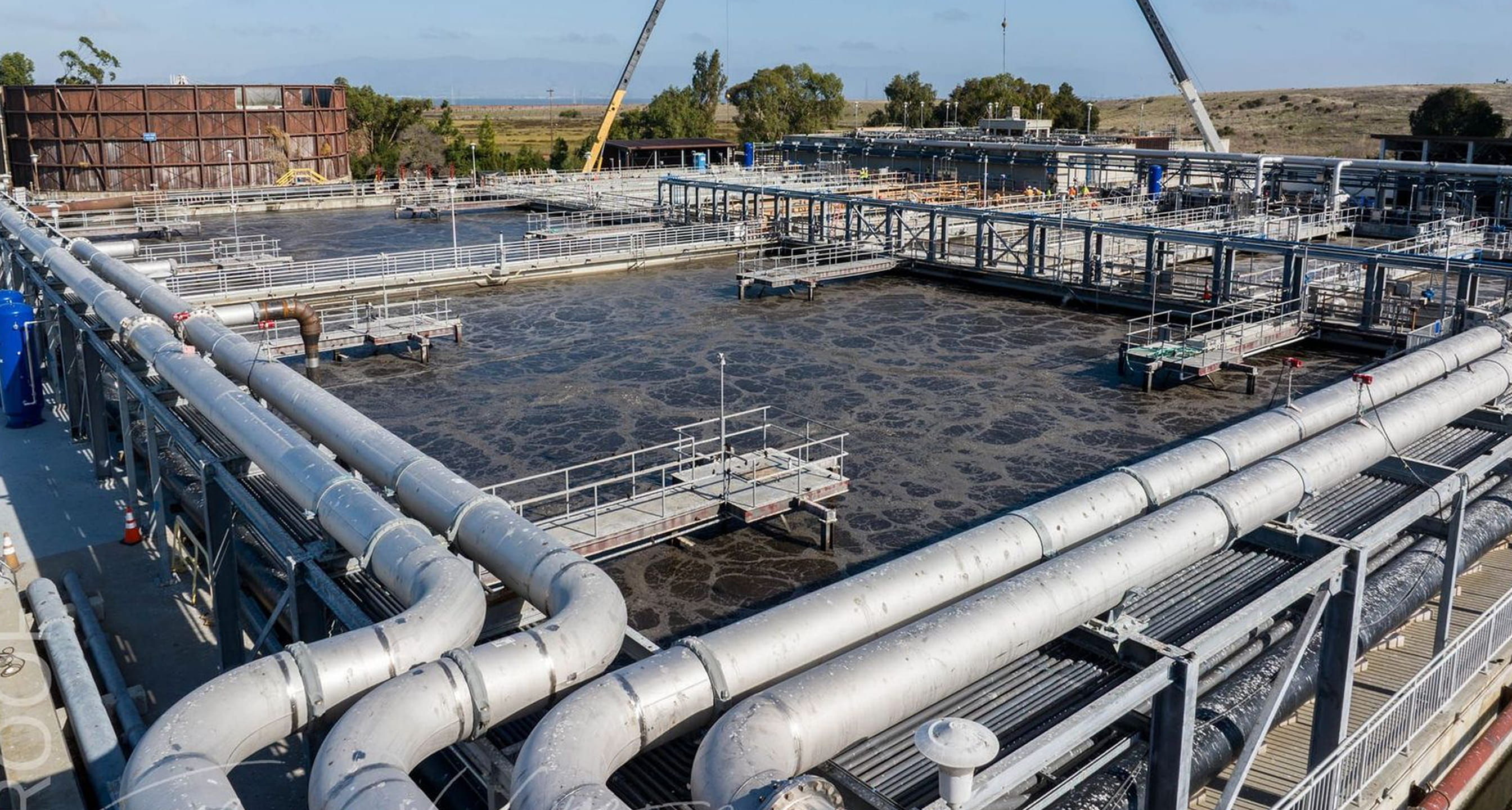
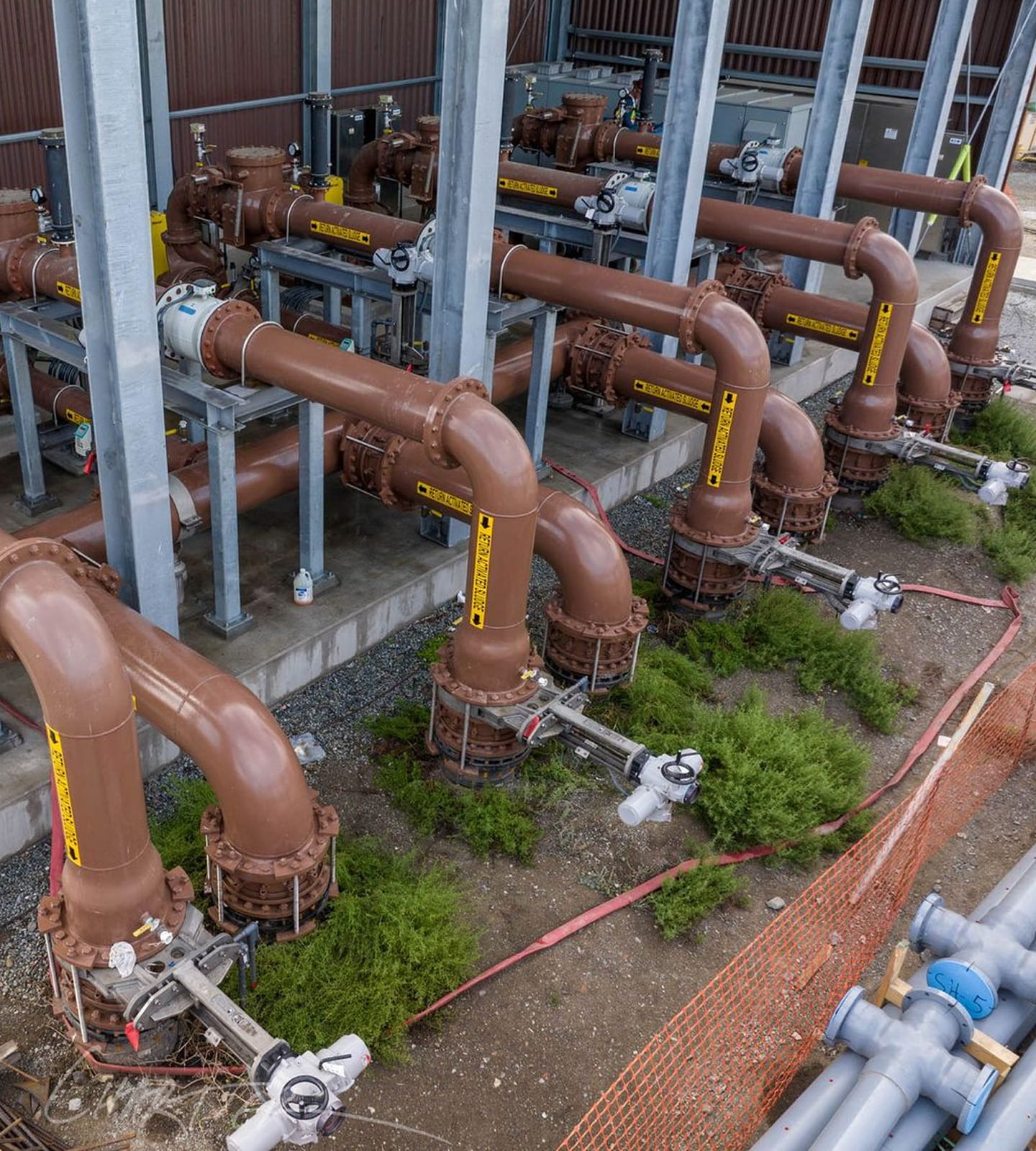
The STU project faced several significant challenges. First, the existing secondary treatment infrastructure showed signs of severe wear and structural weakness. Coordinating construction within an active treatment facility that processes wastewater not only for the City of Palo Alto, but the communities of Los Altos, Los Altos Hills, Mountain View, Stanford University and the East Palo Alto Sanitary District requires meticulous planning to avoid service disruptions due to the heavy volume of wastewater treated daily. The multi-year project only allowed for one aeration basin to be out of service at a time. This led to Anderson Pacific designing a piping bypass system that could be used for all of the aeration basins. Additionally, the project demanded the integration of cutting-edge MABR technology, which required specialized procurement, engineering coordination, and technical skills to install.
Results
Through expert execution and precision engineering, Anderson Pacific reconfigured the aeration basins into a serpentine layout with alternating aerobic and anoxic zones, enabling more effective biological treatment. The team successfully integrated advanced Membrane Aerated Biofilm Reactor (MABR) technology, which converts nitrogen into harmless nitrogen gas—cutting total nitrogen levels in the effluent by approximately 50%. These upgrades not only ensure compliance with future discharge permits but also elevate Palo Alto’s standing as a regional leader in sustainable wastewater management. Anderson Pacific’s commitment to innovation and environmental stewardship continues to support a healthier San Francisco Bay and long-term operational resilience for the plant.